
Why Your Mental Health Curriculum Can’t Leave Student Athletes Behind

Hannah Levy, Director of Sports Psychology, Northern Arizona University, and Patrick Cook-Deegan, Founder and CEO, Wayfinder
Topics

Today’s learners face a rapidly changing world that demands far different skills than were needed in the past. We also know much more about how student learning actually happens and what supports high-quality learning experiences. Our collective future depends on how well young people prepare for the challenges and opportunities of 21st-century life.
Whole-child learning initiatives are stronger when mental health education and social skills development are built into school athletics programs.
A Shift in How We View Student Athletes
Schools nationwide recognize the benefits of providing mental health supports at school. Yet, a key facet of K-12 education has been largely left out of the conversation: school athletics. As education at large moves toward providing more whole-child instruction, we must think of all spaces across campus, including our gyms, fields, and tracks.
The timing is right to tackle this issue, with high-profile athletes like Simone Biles, Naomi Osaka, and Michael Phelps becoming vocal advocates for mental health and helping shift the cultural conversation in recent years. “Sports make you tough” is a common but flawed assumption. While this can be partly true, it can also trivialize the impact of the specific pressures and psychological demands that athletes face.
Student athletes today face pressure at younger ages than before: early specialization, constant evaluation and comparison (even off the field, where they can face heightened scrutiny), recruitment visibility, and financial incentives—all this in addition to the academic and social stress young people face. With all this in mind, it’s important to remember that teaching students healthy mindsets isn’t about tacking more onto their full agendas. It’s about preparing them before the stakes rise even further.
Drawing Parallels between Student Success On and Off the Field
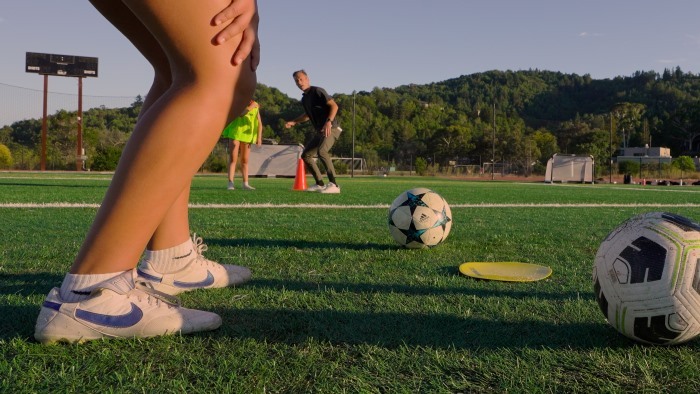
Integrating mental health education into athletics meets students where learning is most impactful. Research from USC’s Dr. Mary Helen Immordino-Yang suggests that the physically and emotionally charged situations athletes encounter in sports make for rich learning environments. Student athletes already bring commitment, discipline, and motivation to their teams. Adding mental health education to them presents a major opportunity to support student growth that crosses socioeconomic and geographic lines.
The benefits of preparing student athletes for the mental game are undeniable. Athletics are a prime venue for learning and practicing leadership skills. In fact, a study by Ernst & Young revealed that 96 percent of C-suite female executives had played collegiate sports. Even more studies have linked athletics to career success. According to Psychology Today:
Recent studies found that 68 percent of top CEOs played college athletics, along with over 70 percent of corporate executives
Research out of Cornell University found that 94 percent of Fortune 500 female executives and 80 percent of Fortune 500 executives overall had been collegiate athletes
Among the executives who hadn’t been athletes, researchers noticed common skills and mindsets that supported their success: teamwork, resilience, strategic decision making—all concepts that can be taught and reinforced on the playing field.
Athletics have also been tied to health and academic thriving. These researched benefits often show up in elementary years and are especially noticeable in middle school, a transitional time that can otherwise be difficult for many students to navigate. However, some longitudinal research suggests that engaging in competitive sports from a young age can lead to a higher likelihood of long-term detrimental health impacts. This is why teaching student athletes to build skills like self-awareness and giving them tools for self-care can help them stay healthy as they pursue their goals.
Building a Winning Mental Health Playbook for Schools
We know it’s possible; we know it’s beneficial. But how do schools go about it? In athletics, physical skills are analyzed, taught, and evaluated constantly, but the mental game takes practice, too. These aren’t innate traits or habits an athlete develops. They’re learnable, trainable skills. An effective program that builds these skills contains at least three crucial elements for students:
Mastering the “inner game”
Building teamwork skills
Developing healthy habits and mindsets for success
An effective whole-child approach for student athletes requires this multi-pronged strategy. Schools can build self-awareness and self-regulation—the “inner game”—by helping athletes understand what their sport means to them, recognize physical and emotional signals, set growth-focused goals, and build confidence and gratitude. Schools can also help student athletes develop relational and leadership skills, such as advocating for oneself, communicating needs, building trust, managing body language, establishing boundaries, and fostering accountability and a sense of belonging within teams. Finally, athletes need practical performance-support skills, from navigating anxiety and resetting after mistakes to building sleep habits and knowing when and how to ask for help.
Much of this comes down to helping young athletes develop a healthy relationship with their sport. Like any relationship, this requires intention, reflection, and care. A young person’s athletic identity can become all-consuming, and if associations with their sport sour, it can lead them to disengage completely. On the other hand, if an athlete experiences their sport positively, they’re better able to step away from it when the time comes, having developed transferable skills through years of training.
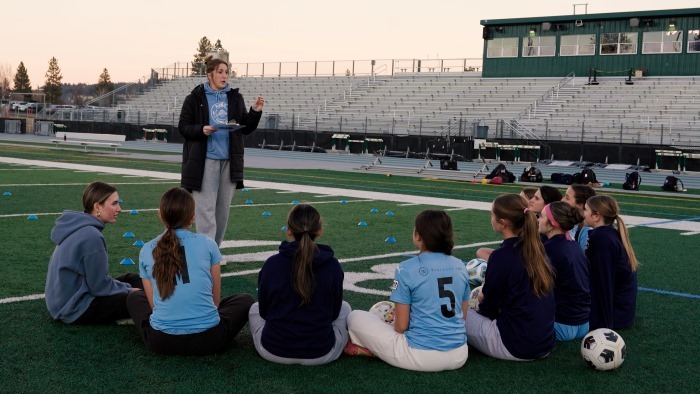
The work doesn’t stop with students, either. Students are motivated, incentives are clear, and the lessons they learn can be practiced repeatedly in real, high-stakes contexts. Coaches play a critical role in this environment, as respected and valued leaders of their athletes, making them perfect teachers of mental health skills. Effective programs equip them with a shared language and tools to build trust, notice distress, respond with emotional intelligence, and consistently reinforce self-regulatory skills. Granted, mental skills education doesn’t replace clinical care, but it can complement it, helping students build capacity before they reach a breaking point. When coaches and athletes are aligned, mental health support becomes proactive rather than reactive.
Stepping onto a New Playing Field: Systems-Level Change for School Athletics Programs
Building resilient athletes requires a systems-level approach. Schools and districts ready to take that step can invest in programming that speaks directly to the pressures of athletics, equips coaches and educators with shared tools, integrates mental skills training into athletic programs as preparation, and treats athletes as whole learners, not just performers.
Student athletes are already training for pressure. Adding guidance for the mental component allows schools to help them do so safely and purposefully. When schools invest in their athletes, they strengthen not only individuals on the field, but also the teams, schools, and communities they serve.
Credit, all photos: Wayfinder
Hannah Levy, Director of Sports Psychology, Northern Arizona University, and Patrick Cook-Deegan, Founder and CEO, Wayfinder
Dr. Hannah Levy is the director of sports psychology at Northern Arizona University and the lead author of Wayfinder’s The Resilient Athlete: A Playbook for Winning Teams. Follow Hannah on LinkedIn.
Patrick Cook-Deegan is the founder and CEO of Wayfinder. Follow Patrick on LinkedIn.