

How Education Technology Tools Enable Next Generation Learning for Students
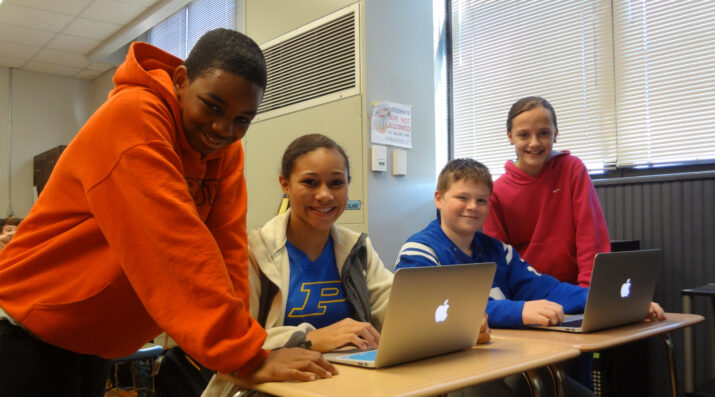
Educators increasingly rely on education technology tools as they shift instruction, redefine teacher roles, and design learning experiences that reflect how students actually learn. Technology should never lead the design of learning. But when used intentionally, it can personalize instruction, enrich learning environments, and help students master critical skills.
Next generation learning is about deep, meaningful learning experiences, students owning their learning, whole-person development, and student success, not about technology. It is entirely possible for next generation learning to thrive without a single electronic device, software platform, or internet service. At the same time, when aligned with strong instructional design, education technology tools can accelerate the transformation of learning for students and educators alike.
What Are Education Technology Tools?
Education technology tools are digital devices, platforms, systems, and applications that support teaching, learning, and school operations. Often referred to as edtech tools or learning technology tools, they include interactive learning resources, AI-powered applications, learning management systems (LMS), cloud-based collaboration platforms, assistive devices, and equipment like 3-D printers and robotics.
When designed around student needs, education technology tools:
Support personalized learning and adaptive instruction.
Increase student engagement through interactive lessons.
Provide access to technology-enabled learning inside and outside the classroom.
Help educators streamline the routine tasks of planning, assessment, and communication to create space for the more collaborative and human-centered aspects of teaching.
Empower students to develop 21st-century skills—like critical thinking and creativity—and even author their own future.
Rather than replacing teaching, these tools enhance how learning happens.
Technology Should Support Learning, Not Drive It
Technology alone does not create better learning. What matters most is how educators design experiences using research, learning science, and deep pedagogical insight. When education technology tools are used to personalize instruction, support collaboration, and provide real-time insight into student progress, they can help accelerate mastery of critical content and skills for all learners.
The goal is not more technology. It is better learning.
The Challenge of EdTech Tools in Next Generation Learning
The challenge of education technology tools lies in identifying the technological needs that educators and students in next generation learning have and developing edtech tools that are affordable, reliable, and built to meet those needs.
Effective tools must support technology and personalized learning without becoming barriers to access or engagement. They must function across learning environments, adapt to diverse student needs, mitigate access and achievement gaps, and integrate with the systems schools already use.
Promising practices of technology-enabled learning include these examples:
Coordinate and track learning inside and outside the classroom.
Integrate data from multiple sources.
Record learner profiles and progression through competencies.
Remain flexible, accessible, and scalable across school districts.
How Educators Use Education Technology Tools
Next gen educators find value in education technology tools that help them innovate both instruction and professional practice to provide students with meaningful learning experiences.
Next gen educators rely on tools that:
Organize learning experiences through learning management systems (LMS) that support competency-based and project-based learning.
Support collaborative learning to connect with industry and community partners using platforms like Microsoft Teams, Google Workspace, and CommunityShare.
Enable the creation of lesson plans, rubrics, performance assessments, and interactive lessons.
Provide real-time feedback and formative assessment to guide student progress.
Align and streamline workflows for administrative and instructional systems like assessment and grading, professional learning, and graduate portrait implementation.
How Technology Tools Support Students
Students in next generation learning environments value technology tools that empower them to take ownership of their learning.
Students benefit from tools that:
Provide real-time visibility into progress toward personal learning goals.
Enable equitable personalized learning paths based on individual student needs.
Support collaborative learning and communication with peers, teachers, and mentors.
Offer access to people, materials, and activities that allow learners to pursue passions and self-direct learning.
Improve accessibility for learners with disabilities through adaptive and on-demand features.
When students can track their own growth, communicate easily, and access resources beyond the classroom, learning becomes more relevant, flexible, and motivating.
Examples of Education Technology Tools
Education technology tools span a wide range of functions and use cases. Common examples of applying educational technology tools to next generation learning practices include:
Learning Management Systems (LMS): Platforms such as Canvas, LiFT, and other LMS tools that centralize standards, courses, assignments and projects, feedback, and communication.
Collaboration and Communication Tools: Platforms like Zoom, Google Docs, CommunityShare, and Along that support collaborative learning, teacher-student relationships, connection to external experts and partners anywhere in the world, and real-time discussion.
Assessment and Engagement Tools: Interactive quizzes, study tools, and formative assessment apps may increase participation while measuring understanding, but the most innovative assessment tools support student-led assessment practices like setting personalized goals, mapping pathways to achieve them, and demonstrating their learning toward those goals through written assessments, portfolios, or digital artwork and other creative products.
AI-Powered Tools: AI tools such as ChatGPT and education-specific AI-powered applications like Playlab support brainstorming, content creation, instructional planning, and rethinking traditional instructional strategies in favor of personalized learning.
Content Creation and Curation Tools: Digital whiteboards, Padlet, Canva, podcasts, 3-D printers, and multimedia platforms that allow educators and students to curate and create high-quality interactive learning materials.
Together, these education technology tools make learning more engaging, efficient, and adaptable across diverse learning environments.
Why Education Technology Tools Matter for Next Gen Learning
When learning is geared toward a broad and rigorous set of outcomes and designed by educators using learning science, research, and deep pedagogical insight, education technology tools can become the catalyst needed to transform K-12 education for all students.
Some of NGLC’s earliest investments included funding for learning technologies through its Building Blocks for College Readiness grant program. Educators in NGLC-supported schools continued this work by developing comprehensive platforms to support their school designs and using education technology tools to help more schools adopt next generation learning—Summit Public Schools and Gradient Learning is just one example. More recently, NGLC supports projects like Collective Shift, leading an eight-partner alliance dedicated to human-centered AI for learner-centered education. And partners, like LEAP Innovations, are launching networks to design, pilot, and scale innovative AI-driven approaches to school transformation and student-centered learning.
From increasing access and engagement, improving the learning experience, and accelerating innovation in teaching and learning, the right edtech tools for personalized learning help schools move beyond traditional models toward more inclusive, flexible, and high-impact learning experiences. Used with intention, education technology tools make next generation learning possible for every student, inside and outside the classroom.
Resources for Technology Tools
See MoreHow You Can Get Involved
Get connected to the NGLC community by joining our mailing list.
Share your next gen learning story with the NGLC community.
Leading the change to create new designs for schools is a complex challenge. NGLC can help.
Help NGLC support school communities to design brave spaces for next gen learning.
NGLC invests in the big ideas of educators who want to solve the urgent challenges of K-12 education. Find out if new grant opportunities are available.
Help strengthen next gen learning by sharing best practices, practitioner tools, and stories from the NGLC community with your colleagues.