Boost Students’ Academic Experiences with Small Group Learning Pods

Paul Klee FAIA, ALEP, LEED AP
Principal
FGM Architects
Topics
We’ve all had the experience of truly purposeful, authentic learning and know how valuable it is. Educators are taking the best of what we know about learning, student support, effective instruction, and interpersonal skill-building to completely reimagine schools so that students experience that kind of purposeful learning all day, every day.
Small group learning benefits from spaces that are designed to support peer-to-peer discussions, group project work, and differentiated instruction.
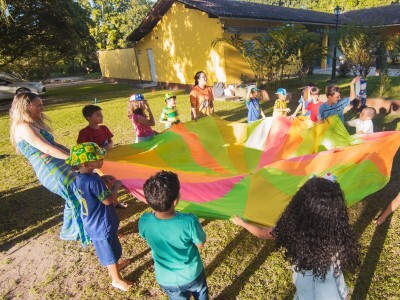
Innovations in teaching and learning have had little impact on modern space planning and school architecture. We know that students and teachers do better when they have variety, flexibility, and comfort in their environment. This series examines how next generation learning spaces impact the learning experience for students and their teachers. If you have the opportunity to design a new school building or renovate an existing building, or if you are interested in using space better in your school, this series can help ensure that the physical spaces in your building promote the skills students need to thrive and contribute to an ever-changing global society.
Small group learning pods offer numerous benefits for both students and teachers. They foster a more personalized, interactive, and collaborative learning environment, which can be especially effective for deepening students' understanding, promoting critical thinking, and enhancing social and emotional learning. When organized and facilitated well, small group learning can greatly enhance students' academic experience and create a positive classroom dynamic.
Small group learning pods in schools refer to the practice of dividing students into smaller, focused groups to work together on academic tasks, projects, or learning activities. This approach provides a more personalized, interactive, and collaborative environment than traditional whole-class instruction, and it can be highly effective in fostering deeper engagement and understanding.
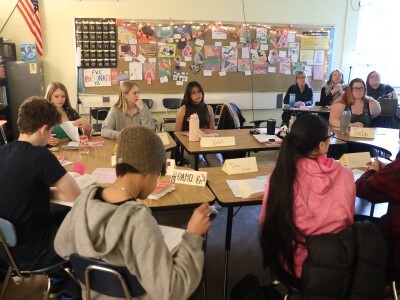
Small Group activities encourage learners to engage in conversations with each other, gain understanding from other students’ points-of-view, and discover the work done by others. Small groups allow learning to be self-directed by the students exploring and finding their own time management and collaboration skills. Small group activities may include the opportunities for receptive, careful, and miscellaneous conversations with critical review procedures. Think about ways to create pods in your school that can host and facilitate these small group activities.

Credit: freepik
Key Features of Small Group Learning Pods
Size and Composition
Group Size: Typically, small groups consist of 3 to 6 students. This allows for more individualized attention while maintaining a collaborative dynamic.
Diverse Groupings: Pods can be formed based on similar academic levels, specific skills, or even based on diverse learning strengths to promote peer teaching and collaboration.
Personalized Instruction
Teachers can provide more tailored guidance in a small group setting. By focusing on a smaller group, educators can pinpoint each student’s strengths and areas for improvement, offering more precise support and feedback.
The teacher can adjust the pace of instruction to match the group's needs and interests.
Collaborative Learning
Peer Interactions: Students can learn from each other by discussing ideas, sharing insights, and working together to solve problems. Collaborative tasks encourage teamwork, communication, and problem-solving skills.
Peer Teaching: In small groups, students can take on different roles (leader, recorder, researcher, etc.), helping to reinforce concepts as they teach each other.
Active Engagement
Small groups encourage active participation from every student. Unlike in a larger class, where some students may remain passive, small groups provide a space where everyone can contribute.
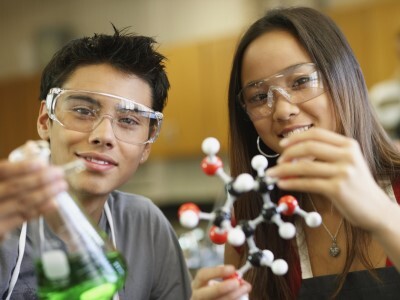
Teachers can facilitate more interactive activities such as hands-on experiments, role-playing, discussions, and group projects.

Credit: seventyfour on freepik
Benefits of Small Group Learning Pods
Enhanced Social and Emotional Learning (SEL)
In smaller groups, students often feel more comfortable sharing their thoughts and ideas. This helps to build self-confidence, social skills, and emotional intelligence.
The collaborative nature of small group work also strengthens interpersonal relationships and helps build a sense of community within the classroom.
Increased Student Accountability
With fewer students in a group, each student feels more accountable for their contributions to the task. This reduces the likelihood of students disengaging or relying on others to do the work.
Greater Differentiation
Small groups allow for easier differentiation based on the varying learning styles, abilities, and interests of students. Teachers can provide more targeted support and adapt lessons to suit individual needs.
For example, students who need extra practice or support with a specific concept can be placed in groups where the teacher can provide focused assistance.
Improved Classroom Management
Managing a classroom of smaller groups is often easier than managing a whole class. Teachers can address specific issues within groups more quickly, and students may be more likely to stay on task due to the smaller, more interactive environment.
Fostering Deeper Learning
Small group activities often require students to think critically, share ideas, and solve problems together. This deeper level of engagement helps reinforce understanding and retention of the material.
Group projects or discussions also encourage students to apply what they’ve learned in creative ways, which reinforces concepts in a more meaningful manner.

Credit: freepik
Strategies for Organizing Small Group Learning Pods
Flexible Grouping
Grouping students based on their current needs, interests, or abilities helps create dynamic learning environments. Groups can change over time, ensuring that all students have the opportunity to collaborate with different peers and engage with a range of perspectives.
Random Grouping: For some activities, random grouping encourages students to work with new peers, which can be a great way to mix up learning styles and ideas.
Ability-Based Grouping: For certain tasks or topics, grouping students by ability ensures that those who need more support can receive it, while others can challenge themselves with more advanced tasks.
Clear Roles and Expectations
Assigning clear roles to each group member (such as leader, researcher, scribe, or timekeeper) ensures that everyone stays engaged and has a specific responsibility within the group.
Teachers can set clear expectations for behavior and performance to ensure that each group remains focused and productive.
Teacher’s Role in Small Groups
Teachers can rotate between groups to observe interactions, provide guidance, answer questions, and offer feedback. This ensures that each student receives the necessary attention and that the learning process remains on track.
Facilitator Role: In small groups, teachers often take on the role of facilitator rather than a direct instructor. This allows students to take more ownership of their learning while the teacher helps guide them in the right direction.
Using Technology in Small Groups
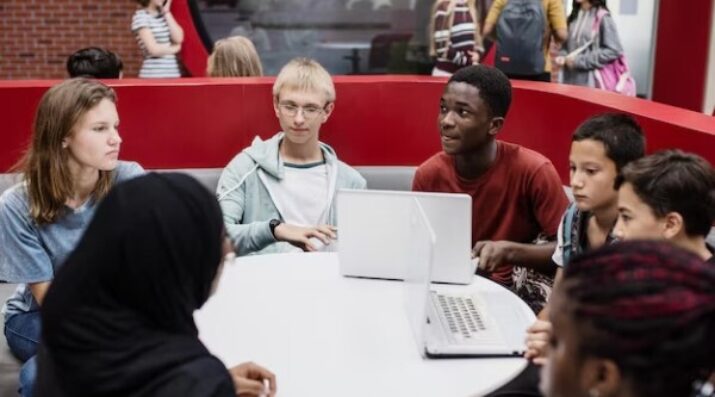
Educational technology tools can be particularly useful in small group settings. Tablets, laptops, and online platforms can help students collaborate on digital projects, conduct research, or even access interactive lessons tailored to their learning needs.
Collaborative Tools: Tools like Google Docs or interactive whiteboards enable groups to work together on tasks, even if students are physically separated.
Assessment and Reflection
Assessing small group work can involve both individual and group assessments. Teachers can observe group dynamics and provide feedback on collaboration, communication, and critical thinking skills.
Students can also engage in self-reflection, discussing what worked well in the group, what could be improved, and what they learned from the experience.

Credit: goditect01 on freepik
Potential Challenges and Solutions
Group Dynamics
Sometimes, group dynamics may be challenging, with certain students dominating discussions or others not participating enough.
Solution: Teachers can provide structured tasks and roles within the group to ensure all students are involved, and they can also monitor group interactions to address any issues early.
Time Management
Managing time effectively within a small group can sometimes be tricky, as some students might work faster or slower than others.
Solution: Teachers can set specific time limits for each task and use timers to keep groups on track.
Assessment of Group Work
Assessing small group work can be challenging if individual contributions aren’t clearly identified.
Solution: Teachers can use rubrics that evaluate both group processes (such as collaboration and communication) and individual contributions, ensuring fair and thorough assessment.
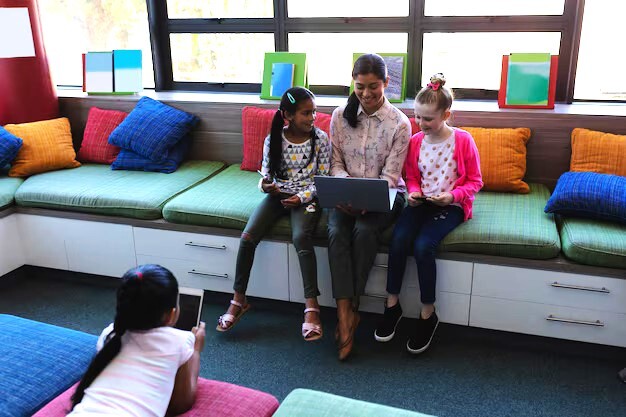
Credit: Wavebreak Media on freepik
Learn More
See the whole series about next gen learning spaces.
Credit, photo at top: rawpixel.com on freepik
Paul Klee FAIA, ALEP, LEED AP
Principal, FGM Architects
With over 35 years in practice, architect Paul Klee is a nationally recognized leader known for his pioneering work in designing purpose-driven K-12 learning environments that are founded in promoting transformative learning spaces in K-12 institutions to help reform the status quo of an obsolete, struggling, traditional public educational system in a rapidly evolving learning landscape. He dedicates his career to developing projects that support student-centered, next generation learning for the 21st-century, promote equity in education, and strengthen community ties. Paul’s groundbreaking framework of the Next Generation Learning Guiding Principles (NGLGP) has earned international attention for its contributions to the rationale and importance of intertwining academic and socio-emotional learning. NGLGP is a result of his innovative, structured methodology that is measurable, significant, and sustained. He was among the first to successfully focus on a rigorous statistical approach to improve learning.