Wellness within Reach: Three Ways to Embed Mental Health Support into Your Educational Model

Michele Lansing, LCSW,
Network Director for Clinical Services
Distinctive Schools
in Chicago, Illinois
Topics

Today’s learners face a rapidly changing world that demands far different skills than were needed in the past. We also know much more about how student learning actually happens and what supports high-quality learning experiences. Our collective future depends on how well young people prepare for the challenges and opportunities of 21st-century life.
These three approaches embed mental health resources into schools, with benefits to students and staff alike.
For years, the educational system has treated mental health support as something separate—a resource outside the school walls or a reactive measure. The pandemic taught us that this separated approach is unsustainable—it’s time to find new, integrated ways to support the whole student.
In order for deep, authentic learning to take place, a student’s brain must be mentally and emotionally present so they can engage fully in the classroom. This core belief drives our approach to holistic education at Distinctive Schools. We believe that real student growth—the kind that shapes lifelong learners and successful citizens—spans beyond academics. As the director of clinical services, I often emphasize that if students are in their head about something else, then they can’t be in their seat learning; it’s imperative we give them space to do both in school.
Educators are no different; they carry mental and emotional weight, and a focus on their mental well-being is just as vital. Addressing issues like vicarious trauma and providing sustainable self-care is an essential investment in the entire school ecosystem. To meet the many unique needs and circumstances of our schools, we have created a variety of ways to embed mental health resources into our schools. This includes a partnership model, a "train the staff" model, and a commitment to investing in future clinicians, all meant to connect students and staff to a holistic educational experience in service of learning.
The Partnership Model: On-Site Mental Health Clinics
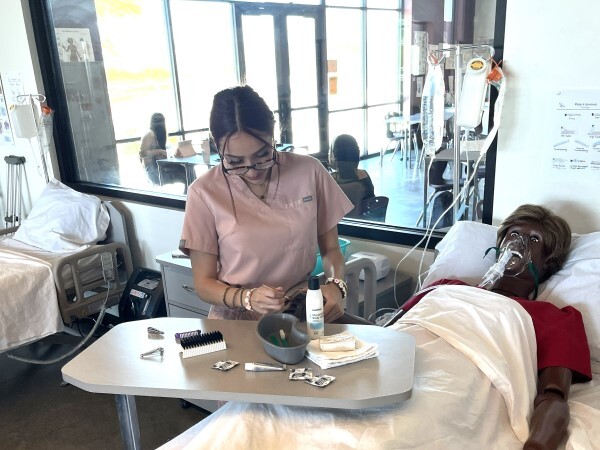
Our most innovative approach is also our newest approach, the launch of a satellite mental health clinic at CICS Longwood High School, in collaboration with Chicago Integrated Health (CIH). This initiative is a direct reflection of our Community Hub model, leveraging the trust and safety of our school buildings to connect families with vital outside resources.

Chicago Innovative Health's satellite clinic in CICS Longwood High School
This dedicated on-site space at CICS Longwood High School is CIH’s very first satellite clinic in a school. Hosting a location inside the school immediately removes barriers of travel, cost, and scheduling that often prevent our students, staff, and families from accessing the care they need. The clinic provides trauma-informed, high-quality services, including individual therapy, group and family therapy, and trauma therapy.
How This Aids Learning
When students are facing mental health challenges, they are, by definition, less present in the classroom. This partnership allows for swift, accessible intervention, helping students address their needs and become mentally available for learning without ever having to leave campus. For the school, this will be a profound gain: it will minimize the number of crises that disrupt class, free up our internal social workers and principals from excessive case management, and transform the school into a powerful, integrated environment where wellness supports academic readiness. Embedding these services directly into our school sends a powerful message: Your mental health is a part of your educational success.
The “Train the Staff” Model: Trauma-Informed PD
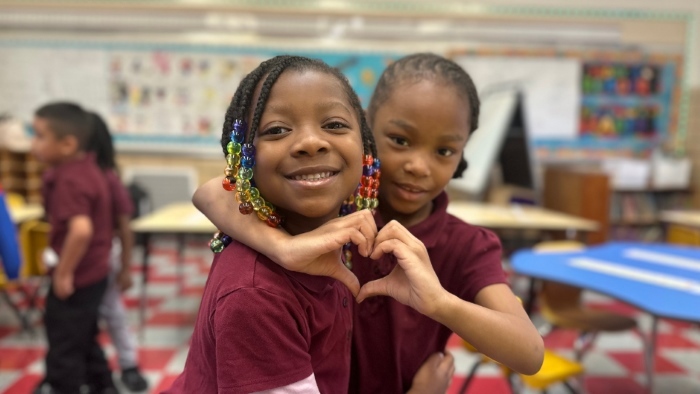
Recognizing the need to build internal capacity, we implemented a "train the staff" model through a year-long, experiential professional development series on trauma-informed practices at CICS Lloyd Bond. This series was born out of an idea expressed by a teacher to the principal, grounding in the real-life struggles educators face daily. Staff learn to recognize trauma responses in students. They participate in dedicated sessions on vicarious trauma—a secondary trauma that happens when continuously hearing about or witnessing the trauma of others—and staff wellness to provide support in managing their own experiences. And they practice using trauma-informed strategies with real teacher-shared classroom scenarios.
To sustain their learning, staff have designated "work buddies" to help keep each other accountable and reflect on strategies they are trying in the classroom. By investing in this high-quality training, we are supporting the whole staff, which in turn creates a more trauma-sensitive and supportive learning environment for students.
How This Aids Learning
This training is instrumental in creating the consistent, predictable, and calm environment necessary for deep academic engagement. When staff are trained to recognize a student's non-compliant or disruptive behavior as a potential trauma response (a fight, flight, freeze, or fawn reaction) rather than simple defiance, they can respond with regulation strategies that will help the student, not create additional triggers. This will lead to fewer classroom disruptions, increased time on task, and a stronger sense of psychological safety for all students, making the learning environment more effective and equitable.
The Investment Model: Internship Program
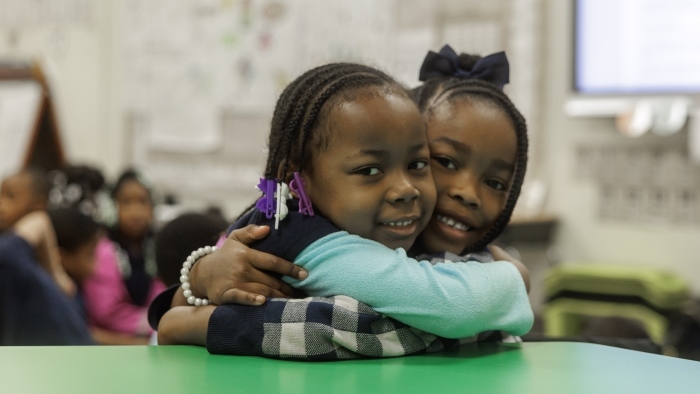
Our third approach is an investment in the field itself through our internship program, which serves as a “growing your own” pipeline. In this program, graduate students in social work, counseling, and mental health fields are supervised and trained by our intern program manager and are further supported by Distinctive Schools clinicians. This model provides a dual benefit: it expands our support services by providing Tier 2 and Tier 3 behavioral supports and counseling to our students, and it is an investment in the field by passing on best practices to future clinicians, with the intention to hire them full time once they have completed their certification.
The program’s success is clear, as most of our current social work team are either former interns or were recommended by one. It's a way for us to help train the clinical professionals of tomorrow in the holistic, student-centered approach we value at Distinctive Schools.
How This Aids Learning
The internship program provides the necessary foundation for academic interventions that are not merely reactive but sustained. Graduate interns increase our school's clinical capacity, allowing our social workers to move from triage mode to proactively designing small-group and individual counseling sessions. This targeted support helps students overcome specific barriers—like anxiety, lack of self-regulation, or difficulty managing peer conflict—that directly impact their ability to focus, collaborate, and perform academically. By continuously feeding the pipeline, we guarantee that this essential layer of support remains robust, directly supporting student attendance and persistence in the classroom.
Holistic Systems for Mental Health Support
By implementing these three distinct but interconnected approaches—the partnership model, the train-the-staff model, and the investment model—we are taking significant steps in providing holistic support to our students and staff. We hope our model can serve as an example of what a successful educational–mental health partnership can look like for schools across the nation.
All photos courtesy of Distinctive Schools.
Michele Lansing, LCSW,
Network Director for Clinical Services, Distinctive Schools
Michele Lansing, LCSW, is the network director for clinical services at Distinctive Schools. She is a dedicated leader who manages the network’s Related Service Providers (including school psychologists, social workers, and therapists) to ensure every child receives the holistic support needed to thrive in a safe, equitable, and supportive learning environment. With over 15 years of experience, Michele specializes in mental health program development, trauma-informed practices, and evidence-based interventions. Her work is central to the Distinctive Schools commitment to building meaningful, joyful, and welcoming communities where all learners are engaged, curious, and able to reach their full potential.