Designing Shared Spaces for Teachers to Collaborate

Paul Klee FAIA, ALEP, LEED AP
Principal
FGM Architects
Topics

We’ve all had the experience of truly purposeful, authentic learning and know how valuable it is. Educators are taking the best of what we know about learning, student support, effective instruction, and interpersonal skill-building to completely reimagine schools so that students experience that kind of purposeful learning all day, every day.
Spaces where teachers can collaborate and plan together foster professional growth, strengthen instruction, and lead continuous improvement efforts.
Innovations in teaching and learning have had little impact on modern space planning and school architecture. We know that students and teachers do better when they have variety, flexibility, and comfort in their environment. This series examines how next generation learning spaces impact the learning experience for students and their teachers. If you have the opportunity to design a new school building or renovate an existing building, or if you are interested in using space better in your school, this series can help ensure that the physical spaces in your building promote the skills students need to thrive and contribute to an ever-changing global society.
Teacher collaborative planning and development spaces are vital for fostering a supportive professional environment, enhancing instructional quality, and improving student outcomes. Whether physical or virtual, these spaces encourage teachers to share knowledge, solve problems together, and continually develop their practice. By providing teachers with time, resources, and opportunities to collaborate effectively, schools can create a culture of continuous improvement that benefits both educators and students alike.
Teacher collaborative planning and development spaces in schools refer to the physical or virtual environments where educators come together to share ideas, plan lessons, develop curricula, and improve teaching practices collectively. These spaces are crucial for fostering a culture of collaboration, professional growth, and continuous improvement among teachers. By working together, teachers can support each other in enhancing their instructional strategies, problem solving, and student engagement.
All-inclusive teacher professional development is absolutely necessary when providing learner-centered educational spaces to ensure all teachers’ pedagogical skills are met. Therefore, to create modern, innovative learning environments, all teachers must have the time to design an interdisciplinary curriculum and the dedicated professional workroom spaces to foster collaborative planning and teaching.
To understand the importance of teacher collaborative planning and development spaces, let’s look deeper into how they work.

Credit: Freepik
Types of Collaborative Planning and Development Spaces
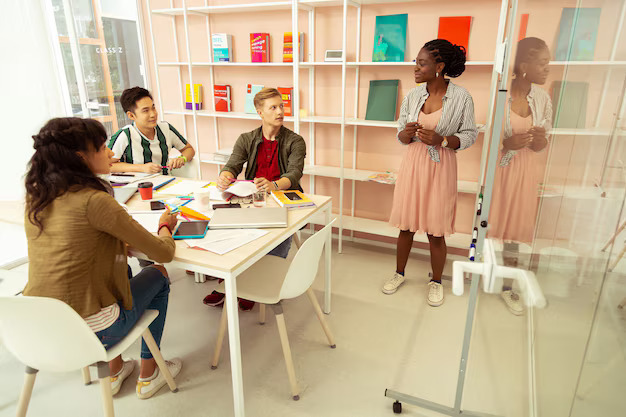
Common Planning Areas: These are designated rooms or areas within the school where teachers can gather for team planning sessions. These spaces are equipped with resources such as whiteboards, meeting tables, digital screens, and other materials to support collaborative discussions. Example: A shared teacher lounge with seating, access to technology, and curriculum resources, where teachers from different subject areas can meet regularly.
Specialized Collaboration Rooms: Schools may set up specific rooms for teacher collaboration that are designed for focused, structured work, including group discussions, joint planning, or curriculum mapping. These rooms often include technology like projectors, computers, and collaborative software. Example: A "professional development hub" with modular furniture that can be rearranged for different group sizes or activities.
Co-Teaching Spaces: In schools where co-teaching is prevalent, there might be classrooms designed to accommodate more than one teacher at a time. These spaces allow teachers to collaborate in real-time while delivering lessons and observing each other’s teaching techniques. Example: A math and special education teacher collaborating in a classroom where both are teaching different groups of students simultaneously.
Digital Platforms and Tools: With the increase in online and hybrid learning models, many schools use digital platforms like Google Classroom, Microsoft Teams, or Slack to create virtual spaces for teachers to collaborate. These tools allow teachers to share resources, plan lessons, and have ongoing discussions, regardless of physical location. Example: A Google Drive folder where teachers can share lesson plans, teaching resources, and feedback on instructional practices, allowing easy collaboration.
Webinars and Online Communities: Teachers can join professional learning communities (PLCs) online where they can access webinars, participate in forums, and interact with educators from around the world. These digital spaces often focus on specific teaching methods or subjects. Example: A district-wide online portal where teachers from multiple schools meet regularly to discuss curriculum updates and teaching strategies.
Credit: Freepik
Benefits of Teacher Collaborative Planning and Development Spaces
Sharing Best Practices: Collaborative spaces enable teachers to share successful teaching strategies, lesson plans, and classroom management techniques. They can learn from each other's experiences and improve their practice. Example: A science teacher might share a new hands-on lab experiment with colleagues, while an English teacher offers strategies for improving student writing.
Resolving Challenges: Teachers often face common challenges, such as addressing diverse learning needs or managing classroom behavior. Collaborative spaces allow teachers to work together to find solutions to these challenges. Example: A group of teachers might collaborate on how to support struggling students in reading or how to integrate technology in the classroom effectively.
Professional Growth: Regular collaboration with colleagues contributes to ongoing professional growth. Teachers can participate in professional learning communities (PLCs), attend workshops, or develop new pedagogical skills within a supportive environment. Example: Teachers can take part in a "teaching roundtable" where they observe each other’s lessons and provide constructive feedback.
Supportive Work Environment: Collaboration fosters a sense of community among educators, creating a supportive work environment where teachers can share successes, challenges, and solutions. It helps reduce feelings of isolation and burnout. Example: Teachers feeling overwhelmed by their workloads can find comfort and encouragement through conversations with peers facing similar challenges.
Consistency in Instruction: When teachers collaborate, they are able to align their teaching methods and resources to better serve the diverse needs of their students. Collaborative planning ensures consistency in how different subjects or topics are approached across grade levels. Example: Elementary school teachers across subjects might work together to integrate social studies content into their literacy instruction, creating a more cohesive learning experience for students.

Credit: Freepik
Key Components of Effective Teacher Collaborative Planning Spaces
Common Planning Time: One of the most important elements of effective teacher collaboration is ensuring that teachers have adequate time during the school day or week to meet and plan together. This could be through designated planning periods, early release days, or block scheduling. Example: A school implements "collaborative planning time" every Friday afternoon, where teachers from the same grade level or subject area meet for 90 minutes to discuss their curriculum and student progress.
Access to Essential Resources: Effective collaborative spaces should be equipped with relevant teaching materials, data on student progress, and access to technology. Teachers should also have access to research or instructional guides that help them create better lessons and understand best practices. Example: A shared online platform where teachers can upload and download resources, curriculum guides, and instructional materials.
Meetings with Purpose: Collaborative meetings should have clear objectives so that teachers work productively. Teachers may focus on long-term curriculum planning, addressing specific student needs, or analyzing student assessment data to inform instruction. Example: Teachers agree to focus on differentiating instruction for students with learning disabilities during a series of planning meetings.
Teacher Leadership: A designated leader or facilitator can guide collaboration by setting the agenda, ensuring that meetings stay on track, and helping to resolve conflicts or differences of opinion. School administrators or instructional coaches can also play a role in fostering a culture of collaboration. Example: An instructional coach might lead a PLC by helping teachers align assessments with learning objectives, offering new instructional strategies, and modeling best practices.
Data-Based Decisions: Teachers should use student data to inform their collaborative planning, ensuring that discussions and decisions are grounded in student needs. This could include formative assessments, standardized test scores, or qualitative evidence from classroom observations. Example: A group of teachers might use data from a recent math test to identify areas where students are struggling and plan targeted interventions for the following week.

Credit: Freepik
Strategies to Foster Collaboration in Teacher Planning Spaces
Trust: For collaboration to be effective, teachers need to feel comfortable sharing their ideas, struggles, and successes without judgment. Building trust is essential for creating an open and productive collaborative environment. Example: At the start of the year, administrators may hold team-building exercises to help teachers get to know each other and develop a supportive, non-judgmental working relationship.
Interdisciplinary Work: While teachers often collaborate within their specific subject area, interdisciplinary collaboration can be highly beneficial. Working with colleagues from other subjects encourages teachers to create cross-curricular projects and address broader educational goals. Example: A social studies teacher and a language arts teacher work together to develop a project that integrates reading historical novels with analyzing primary sources.
Digital Tools for Collaboration: Utilizing digital tools like shared documents, online discussion forums, and collaborative platforms (e.g., Google Docs, Trello, or Padlet) facilitates ongoing collaboration outside of in-person meetings. This can help teachers continue their work during off-hours and stay engaged with the process. Example: Teachers use a shared Google Drive folder to upload lesson plans, unit guides, and research articles that others can review and add their own contributions.
Recognition and Celebration: Recognizing and celebrating the achievements of collaborative teams helps maintain motivation and reinforces the value of teamwork. This can be through formal recognition, shared presentations, or even informal “shout-outs” during staff meetings. Example: At the end of a successful unit, teachers present the results of their collaborative planning, such as student work or assessment improvements, during a staff meeting.

Credit: gpointstudio
Learn More
See the whole series about next gen learning spaces.
Photo at top by freepik.
Paul Klee FAIA, ALEP, LEED AP
Principal, FGM Architects
With over 35 years in practice, architect Paul Klee is a nationally recognized leader known for his pioneering work in designing purpose-driven K-12 learning environments that are founded in promoting transformative learning spaces in K-12 institutions to help reform the status quo of an obsolete, struggling, traditional public educational system in a rapidly evolving learning landscape. He dedicates his career to developing projects that support student-centered, next generation learning for the 21st-century, promote equity in education, and strengthen community ties. Paul’s groundbreaking framework of the Next Generation Learning Guiding Principles (NGLGP) has earned international attention for its contributions to the rationale and importance of intertwining academic and socio-emotional learning. NGLGP is a result of his innovative, structured methodology that is measurable, significant, and sustained. He was among the first to successfully focus on a rigorous statistical approach to improve learning.