Inside Schools and Beyond the Building: Authentic and Experiential Learning Spaces

Paul Klee FAIA, ALEP, LEED AP
Principal
FGM Architects
Topics
We’ve all had the experience of truly purposeful, authentic learning and know how valuable it is. Educators are taking the best of what we know about learning, student support, effective instruction, and interpersonal skill-building to completely reimagine schools so that students experience that kind of purposeful learning all day, every day.
Authentic and experiential learning can happen anywhere: outside of school, in a classroom or lab, or within common areas in a school.
Innovations in teaching and learning have had little impact on modern space planning and school architecture. We know that students and teachers do better when they have variety, flexibility, and comfort in their environment. This series examines how next generation learning spaces impact the learning experience for students and their teachers. If you have the opportunity to design a new school building or renovate an existing building, or if you are interested in using space better in your school, this series can help ensure that the physical spaces in your building promote the skills students need to thrive and contribute to an ever-changing global society.
Both authentic learning and experiential learning are powerful methods that can help students engage deeply with the material, develop important skills, and understand the relevance of what they’re learning. By incorporating real-world problems, hands-on activities, collaboration, and reflection into the curriculum, schools can create learning environments that foster critical thinking, creativity, and a sense of purpose. These approaches help students connect their academic learning to the real world, preparing them not only for future careers but for responsible and informed citizenship.
Authentic and experiential learning are educational approaches that focus on making learning more meaningful, relevant, and engaging by connecting academic concepts to real-world experiences. Both strategies aim to bridge the gap between what students learn in the classroom and how they can apply that knowledge outside of school. These methods emphasize active participation, critical thinking, and problem-solving skills that students can carry into their personal and professional lives.
Interdisciplinary and inquiry-based learning, launched formally or informally in a Collaborative Learning Commons, can lead to the utilization of other learning spaces throughout the school. Students can work in a collaborative way on multiple diverse activities individually or in groups at the same time. Students can engage in student-led or teacher-facilitated learning that does not have a prescribed protocol or a defined goal. The outcome is a multidisciplinary and shared experience. This approach also allows students to get their hands dirty when learning.
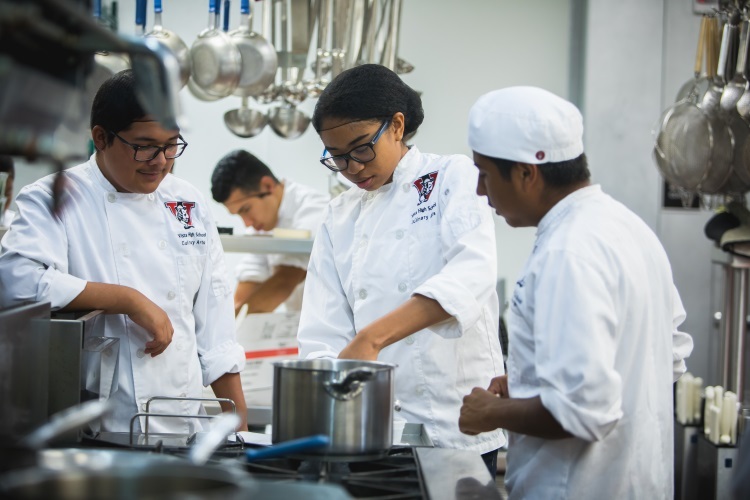
A professional kitchen at Vista High School in California. Credit: NGLC
Authentic Learning
Authentic learning refers to learning that takes place in contexts that are similar to real-world situations. It encourages students to tackle problems, projects, or tasks that resemble those they might encounter in real life, promoting deeper understanding and long-lasting retention of knowledge.
Key Features of Authentic Learning
Real-World Relevance: Students engage with tasks that reflect real-world challenges or issues. The learning process is connected to actual problems, scenarios, or contexts that students might face outside the classroom. Example: In a history class, students might analyze primary source documents to understand different perspectives of a historical event, much like how historians would.
Inquiry-Based Learning: Students take on an active role in asking questions, conducting investigations, and seeking answers rather than just receiving information passively. Example: In science, students could design their own experiments to test hypotheses or solve environmental issues within their community.
Collaboration: Authentic learning often involves collaborative projects, where students work together, much like they would in a workplace or community setting. This encourages teamwork and communication. Example: Students working together to create a public awareness campaign about a local environmental issue.
Problem-Solving and Critical Thinking: Students are tasked with solving complex, open-ended problems, requiring them to think critically, analyze data, and consider various solutions. Example: Students in a math class might apply their knowledge of geometry to design a cost-effective and sustainable building for a community project.
Reflection: Students reflect on their learning process, considering what they learned, how they learned it, and how they can apply it in the future. This reflection encourages a deeper connection to the material and promotes self-awareness. Example: After a field trip, students could write reflective essays or participate in group discussions about what they learned and how it connects to their classwork.
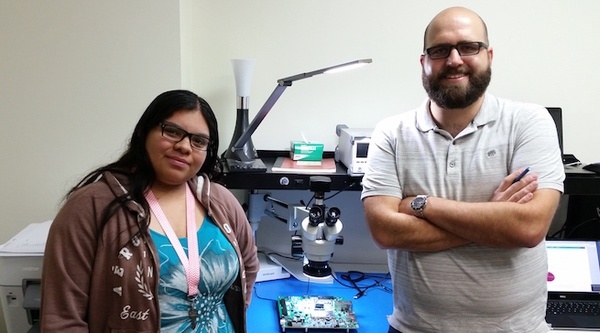
Internships bring students to spaces with cutting edge equipment as well as connections to mentors and professional work experiences. Credit: Future Focused Education
Benefits of Authentic Learning
Increased Engagement: Students are more likely to engage with content that feels relevant to their lives and future careers.
Improved Problem-Solving Skills: Authentic learning emphasizes critical thinking and creative problem-solving, which are crucial skills for success in the modern world.
Preparation for the Real World: Students are better prepared for real-world challenges, both professionally and personally, as they are accustomed to applying their knowledge in meaningful ways.
Deeper Understanding: By applying what they learn to real-world scenarios, students develop a deeper understanding of concepts, rather than just memorizing facts.
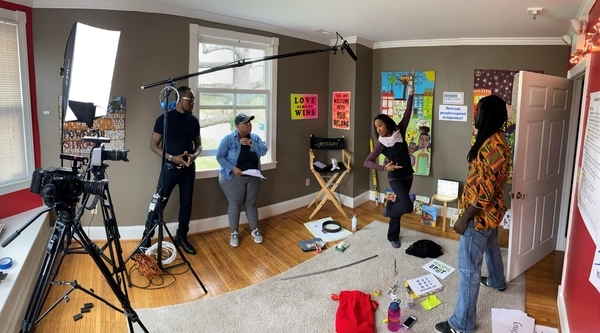
Schools and districts work with community partners to access learning spaces such as this video recording studio. Credit: Young Audiences of Maryland.
Experiential Learning
Experiential learning is a process through which students learn by doing. It emphasizes hands-on activities, where students actively engage in a learning experience and reflect on that experience to gain new insights and understanding. Experiential learning is based on the theory that knowledge is best acquired through experience and reflection on that experience.

A student intern works on a Ford Mustang at an auto shop. Credit: Carissa Duran, Del Lago Academy in Escondido, California
Key Features of Experiential Learning
Active Learning: Students are actively involved in the learning process through activities like role-playing, simulations, field trips, or hands-on experiments. Example: In a geography class, students might use GPS technology to map out locations and study spatial patterns in their local community.
Reflection: After the learning activity, students reflect on the experience by considering what they did, what they learned, and how it connects to the knowledge they have acquired in the classroom. Example: After a community service project, students could discuss in class what they learned about the challenges faced by the community and the skills they developed.
Learning by Doing: The central idea of experiential learning is that students "learn by doing." This could be through internships, volunteering, creative projects, or laboratory work, which allows them to apply classroom knowledge in practical settings. Example: Students learning about biology might engage in field research, such as collecting samples and analyzing ecosystems in nature.
Problem-Solving in Real Contexts: Experiential learning often involves students addressing authentic problems or challenges in real or simulated environments, which makes the experience more meaningful. Example: A business class might simulate running a company, allowing students to experience the decision-making process, budgeting, and problem-solving challenges that entrepreneurs face.
Holistic Learning: Experiential learning often takes into account not just cognitive learning, but also emotional, social, and physical aspects of the learning experience. This helps students make deeper connections to the material. Example: During a history lesson, students may visit a museum or historic site, engaging with artifacts, stories, and people, which enhances their emotional connection to the subject.
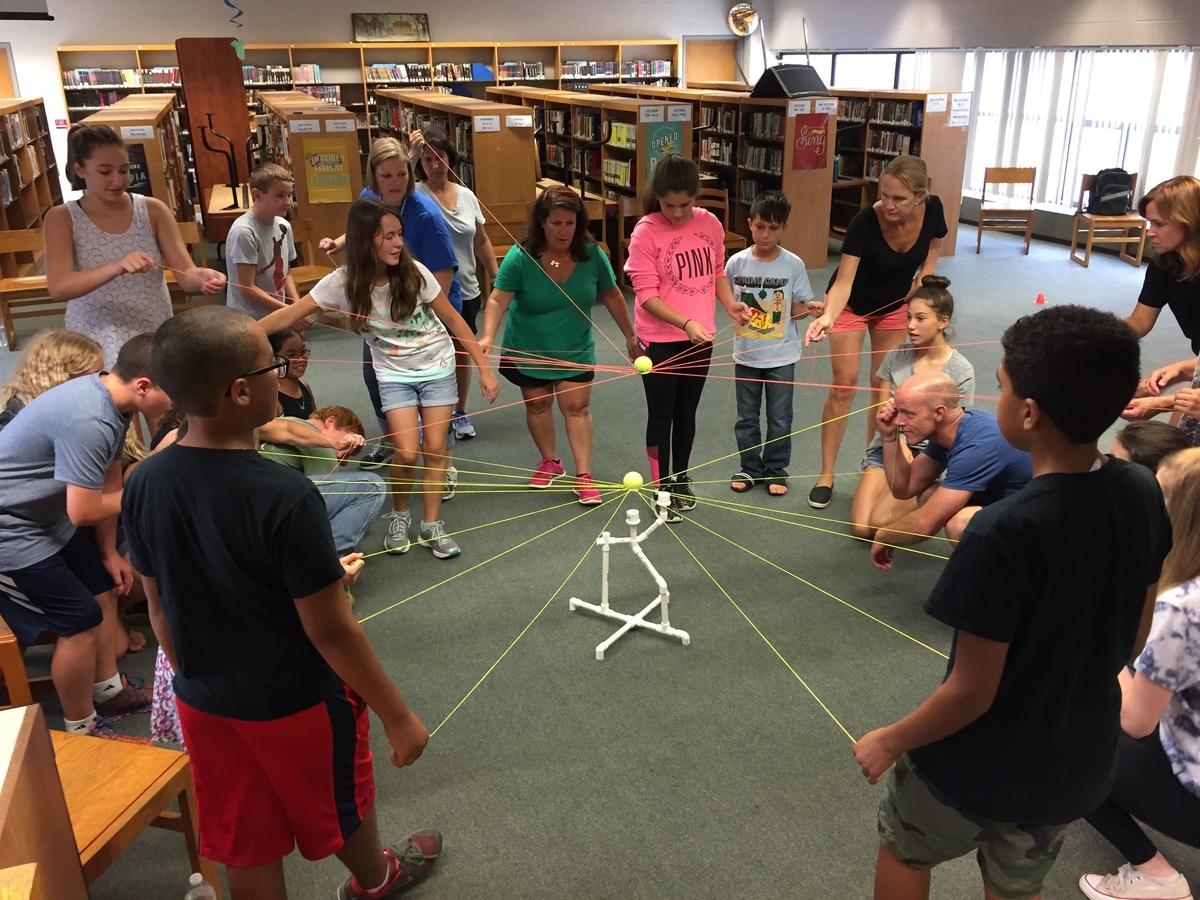
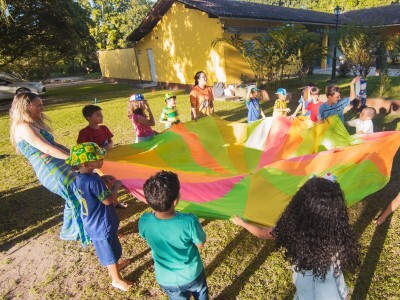
In an open area of the school library, participants pull together to focus on effective communication skills during an experiential activity called Focus Ring. Credit: Plainfield Central School, Plainfield, Connecticut
Benefits of Experiential Learning
Deeper Retention: Students tend to remember experiences and knowledge gained through doing rather than passive listening or reading. This makes learning more memorable and meaningful.
Improved Skills: Experiential learning helps students develop practical, transferable skills such as critical thinking, communication, and teamwork, which are essential in the workplace and life.
Increased Motivation: Engaging students in hands-on learning activities increases their motivation and enthusiasm to learn, as they see the real-world applications of their studies.
Enhanced Problem-Solving: Experiential learning encourages students to think critically and work through problems on their own, fostering independence and resilience.
Personal Growth: Students often experience personal growth and increased confidence as they take on new challenges and apply what they have learned in a real-world context.
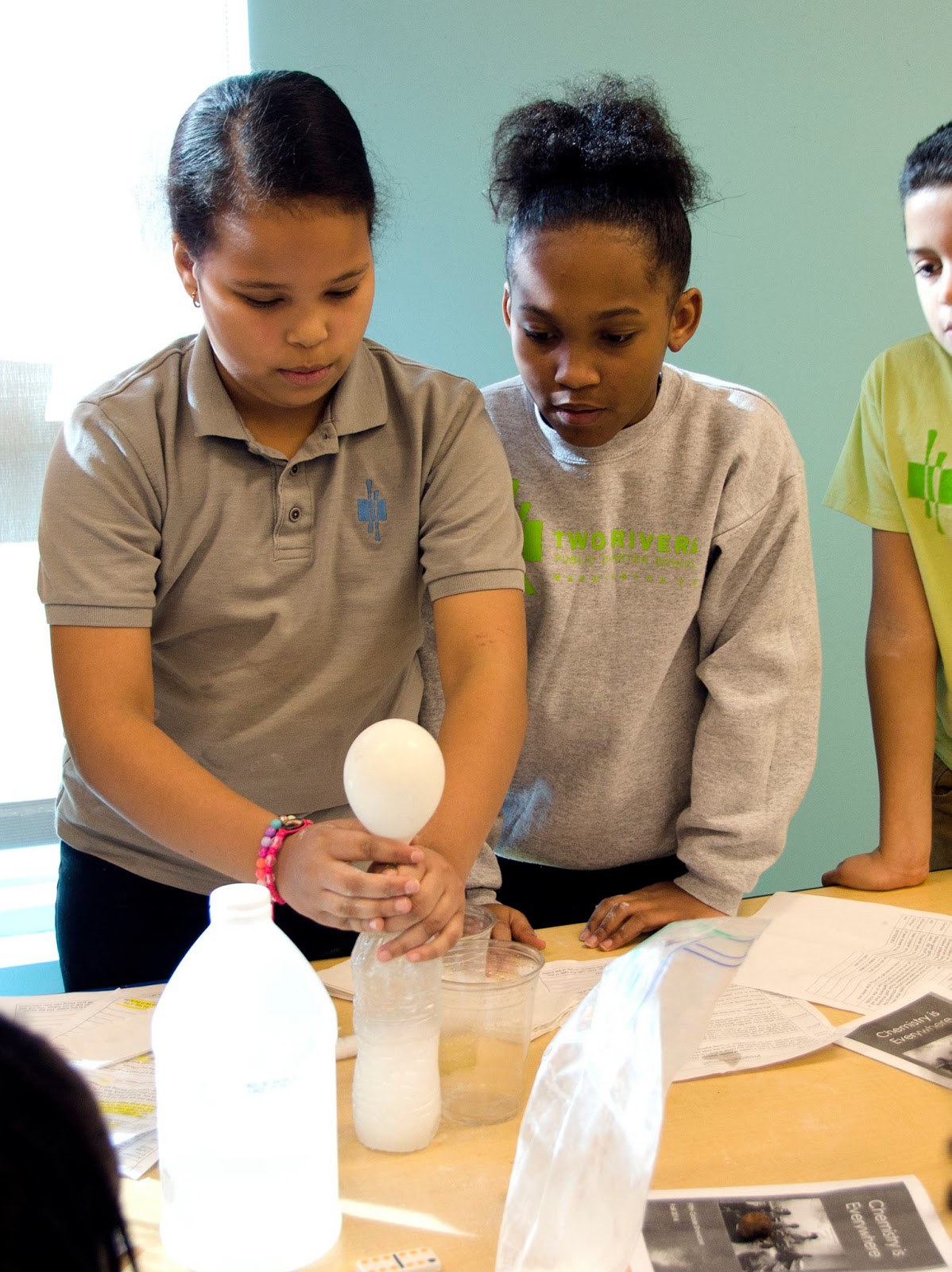
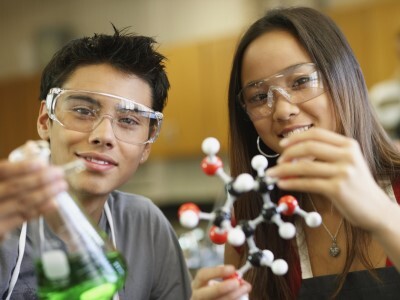
Upper elementary students stand at a work table in a classroom to learn through experimentation. Credit: Two Rivers Public Charter School, Washington, D.C.
Integrating Authentic and Experiential Learning in Schools
Project-Based Learning (PBL)
PBL is an excellent example of an approach that combines both authentic and experiential learning. Students work on long-term projects that address real-world problems, which allow them to explore and apply their knowledge in an authentic, hands-on context. Example: A group of students could design a sustainable garden for their school, researching plant species, environmental conditions, and methods for conserving water, while reflecting on their experiences and adjusting their approaches as they work.
Service Learning
Service learning is a form of experiential learning where students apply academic skills to serve the needs of a community. This can be a very authentic way of learning because students are directly involved in solving real-world problems. Example: Students in an environmental science class might partner with a local environmental organization to clean up a nearby river while studying water pollution.
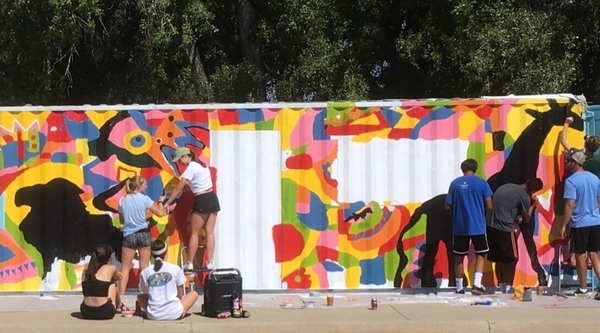
U.S. high school students paint a mural on the walls of a classroom for Mwebaza Infant Primary School in Kyengera, Uganda. Credit: Niwot High School, St. Vrain Valley Schools, Colorado
Field Trips and Site Visits
Taking students outside of the classroom to explore real-world environments is a powerful form of authentic and experiential learning. Students have the opportunity to engage with experts, observe real-world phenomena, and ask questions in context. Example: A class studying art history might visit a local museum to analyze paintings and sculptures, applying what they’ve learned in a live setting.
Simulations and Role-Playing
Simulations and role-playing activities can help students immerse themselves in real-life scenarios that require them to make decisions, collaborate, and reflect on their experiences. Example: In a social studies class, students could simulate a United Nations debate, assuming roles as different countries, to understand international diplomacy and conflict resolution.

Students experience a recording booth with a sound board in Pittsburgh, Pennsylvania. Photo credit: Saturday Light Brigade
Internships and Mentorship Programs
Giving students the chance to intern or work with a mentor in a professional field can provide authentic, hands-on experience that is both educational and career-building. Example: High school students might have internships at local businesses or volunteer for nonprofit organizations, gaining real-world experience while applying classroom knowledge.
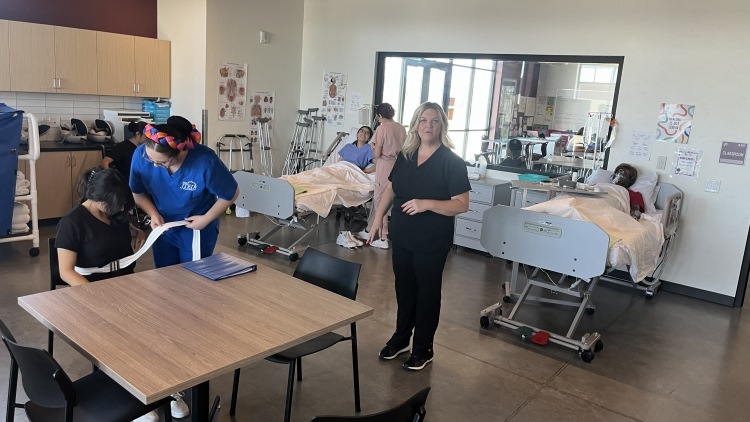
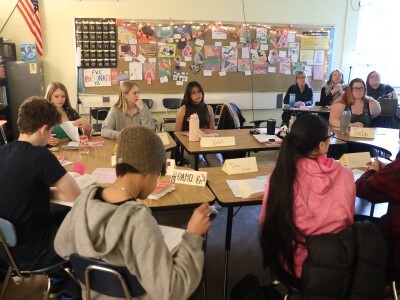
Students at Desert View High School prepare for a health care certification in a CTE "classroom." Credit: NGLC
Learn More
See the whole series about next gen learning spaces.
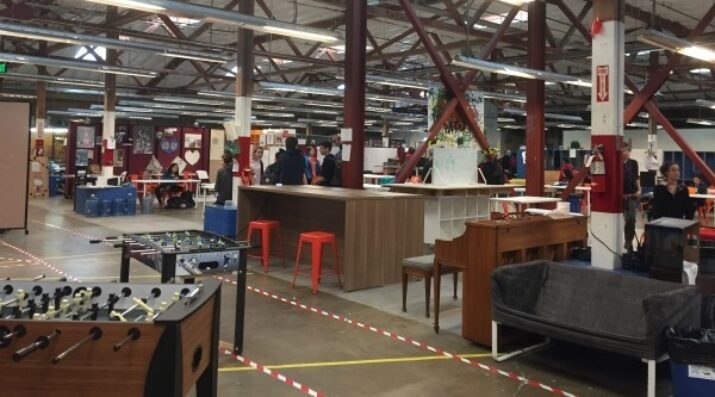
Photo at top of The Garage at D.Tech High School in California provides a variety of spaces for impromptu meetings, informal collaboration, mobile displays, access to technology and tools, and creative expression. Credit: D.Tech High School
Paul Klee FAIA, ALEP, LEED AP
Principal, FGM Architects
With over 35 years in practice, architect Paul Klee is a nationally recognized leader known for his pioneering work in designing purpose-driven K-12 learning environments that are founded in promoting transformative learning spaces in K-12 institutions to help reform the status quo of an obsolete, struggling, traditional public educational system in a rapidly evolving learning landscape. He dedicates his career to developing projects that support student-centered, next generation learning for the 21st-century, promote equity in education, and strengthen community ties. Paul’s groundbreaking framework of the Next Generation Learning Guiding Principles (NGLGP) has earned international attention for its contributions to the rationale and importance of intertwining academic and socio-emotional learning. NGLGP is a result of his innovative, structured methodology that is measurable, significant, and sustained. He was among the first to successfully focus on a rigorous statistical approach to improve learning.