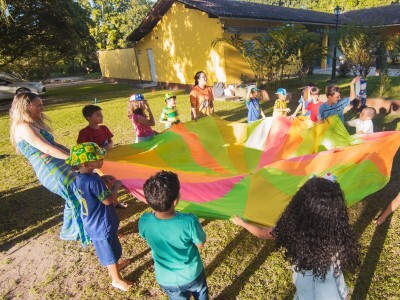
A Focus on Wellness for a Healthier School Environment

Paul Klee FAIA, ALEP, LEED AP
Principal
FGM Architects
Topics

We’ve all had the experience of truly purposeful, authentic learning and know how valuable it is. Educators are taking the best of what we know about learning, student support, effective instruction, and interpersonal skill-building to completely reimagine schools so that students experience that kind of purposeful learning all day, every day.
The physical spaces in schools can support a healthier school environment, promoting the overall wellbeing of students, teachers, and staff.
Innovations in teaching and learning have had little impact on modern space planning and school architecture. We know that students and teachers do better when they have variety, flexibility, and comfort in their environment. This series examines how next generation learning spaces impact the learning experience for students and their teachers. If you have the opportunity to design a new school building or renovate an existing building, or if you are interested in using space better in your school, this series can help ensure that the physical spaces in your building promote the skills students need to thrive and contribute to an ever-changing global society.
Focusing on wellness in schools is an essential component of creating a healthier, more supportive learning environment. By addressing physical, mental, emotional, and social wellness, schools can empower students and staff to thrive academically, personally, and socially. When wellness is prioritized, it leads to improved academic outcomes, stronger community bonds, and a positive school climate that nurtures lifelong well-being.
Teaching and learning are most successful when there is a holistic experience, nurturing the mind, body, and spirit. Occupant well-being can be boosted significantly with connections to nature and the use of natural materials like sunlight, plants, water, wood, and stone. ScienceDirect indicates that stress reduces, productivity increases, and attention is energized when school environments are designed with optimized thermal comfort, abundant natural daylighting, fresh air, and a natural material palette.
The physical environment can promote, support, and educate students about proper nutrition and regular physical activity. Some ways to focus on wellness include integrative living walls or preserved moss wall panels in group study areas, a color-changing LED bubble wall in a library area, a food nutrition lab that connects to an outdoor garden near the cafeteria, or spaces that maximize opportunities for physical activity as part of the school day.
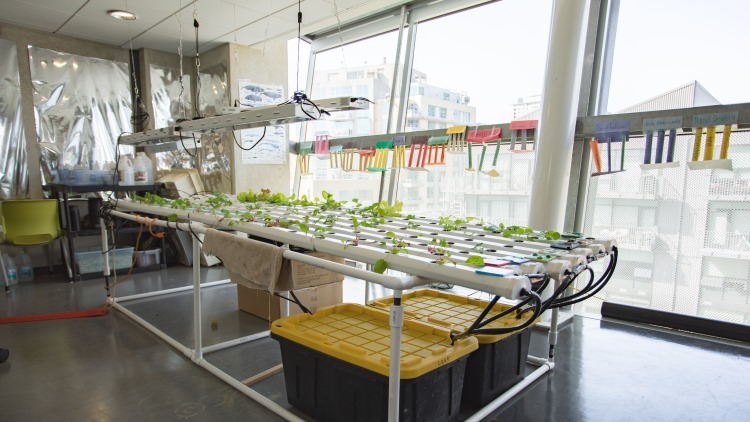
Hydroponics lab at e3 Civic High. Credit: NGLC, powered by LEAP Innovations
One way to start is to pilot the 14 Patterns of Biophilic Design strategies to enhance the students’ daily connection with nature inside, and gather empirical evidence during the pilot to back up your decisions. Additionally, consider strategies that go beyond LEED and Biophilia to enhanced air, acoustical, lighting, thermal comfort, and physical fitness benefits. For example, the WELL Standard (www.standard.wellcertified.com) promotes equitable health and wellbeing for students and staff.
Focusing on wellness for a healthier school environment is crucial in promoting the overall well-being of students, teachers, and staff. When wellness is prioritized in schools, it leads to improved academic performance, better mental and emotional health, and stronger school communities. A holistic approach to wellness addresses physical, mental, emotional, and social aspects of health, creating an environment where everyone feels supported and empowered to thrive.
Here are some key areas to focus on when working toward a healthier school environment.
Physical Wellness
Physical wellness in schools is about ensuring that students, staff, and the school environment promote healthy habits and physical health.
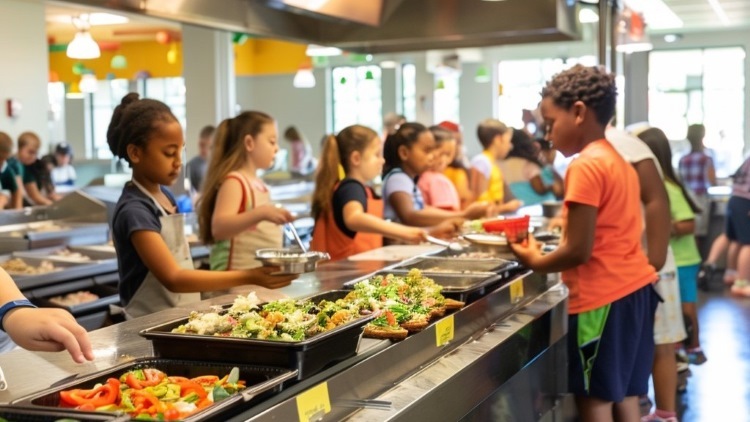
AI-generated image. Credit: School Lunch Queue by StockCake
Nutrition and Healthy Eating
Promote Balanced Meals: Schools can provide healthy meal options that are nutrient-dense, including fruits, vegetables, whole grains, and lean proteins. School lunches can be redesigned to offer healthier choices and reduce processed foods and sugary snacks. Example: Offering salad bars, incorporating more fresh fruits and vegetables, and educating students about making healthy food choices.
Nutrition Education: Integrating nutrition lessons into the curriculum teaches students about healthy eating habits. Programs like “Farm to School” can introduce students to the source of their food and the benefits of local, sustainable agriculture. Example: Bringing local farmers into the classroom to talk about growing healthy foods or organizing cooking demonstrations for students.
Credit: freepik on Magnific
Physical Activity
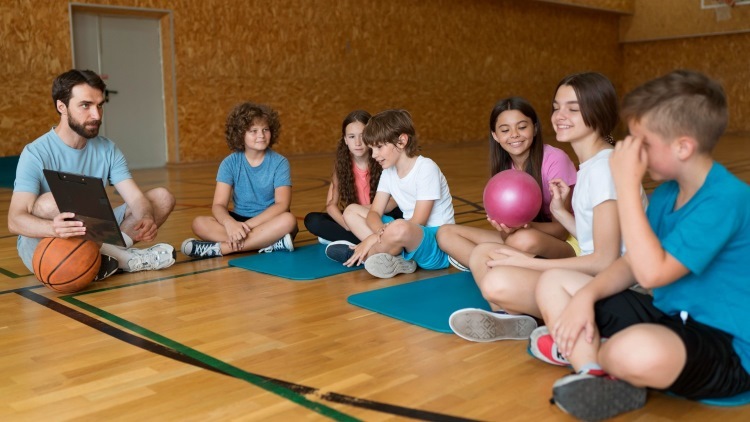
Recess and Physical Education (PE): Regular physical activity, such as daily recess for elementary students and frequent PE classes, supports physical and mental health. Example: Ensuring students have at least 30 minutes of active play or physical activity every day. PE classes can focus on building lifelong fitness habits through fun activities.
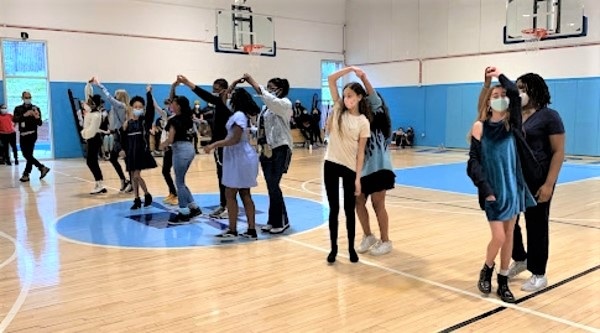
Students practicing Latin dance instead of a relentless focus on test prep for state testing. Credit: Two Rivers Public Charter School
Active Learning: Incorporating movement into lessons, such as having students engage in "brain breaks" during lessons or using activity-based learning approaches. Example: A math lesson might involve students jumping to designated areas of the room based on the correct answer or using an interactive, movement-based learning game.
Safe Spaces for Activity: Providing safe and accessible spaces for physical activity, like outdoor play areas, sports facilities, or walking tracks, encourages students to stay active. Example: Schools can ensure playgrounds are well-maintained and offer after-school sports or fitness clubs.
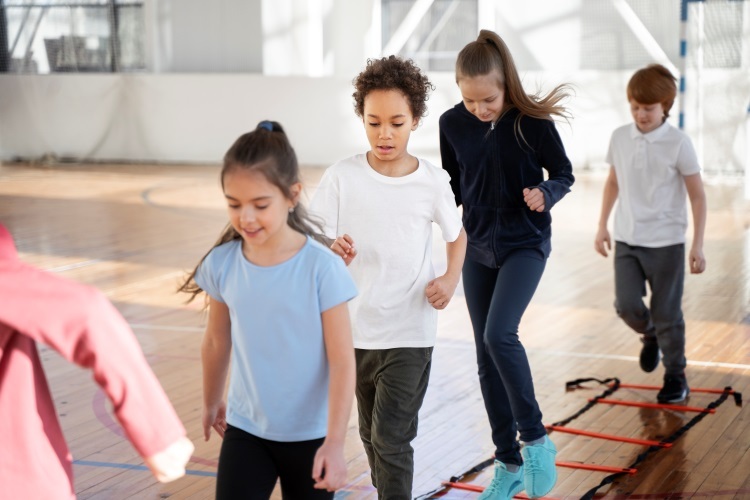
Credit: freepik on Magnific
Mental and Emotional Wellness
Mental and emotional wellness focuses on helping students and staff manage stress, cope with challenges, and develop emotional intelligence.

On-site satellite mental health clinic at CICS Longwood High School. Credit: Distinctive Schools
Social-Emotional Learning
Integrate SEL Programs: Social-emotional learning programs help students develop the skills to recognize and manage their emotions, establish positive relationships, and make responsible decisions. SEL helps build resilience and empathy. Example: Programs like Second Step or Responsive Classroom provide structured lessons on topics such as emotional regulation, conflict resolution, and empathy-building.
Mindfulness Practices: Teaching mindfulness techniques, such as deep breathing, meditation, or guided relaxation, helps students manage stress and improve focus. Example: Implementing a daily "mindfulness moment" at the beginning or end of the school day to help students calm their minds and focus on the present.

Credit: lookstudio on Magnific
Mental Health Support
Access to Counseling: Providing easy access to mental health professionals, such as school counselors or psychologists, ensures that students and staff have support when needed. Example: Schools should have clear systems for students to access counseling services for mental health support or crisis intervention.
Support for Stress Management: Teaching students how to handle academic pressure, social anxiety, or personal struggles helps them develop coping strategies. This can be done through workshops or counseling services. Example: Hosting stress-relief workshops or seminars for students during exam periods to help them handle anxiety and build resilience.

Credit: rawpixel.com on Magnific
Teacher and Staff Wellness
Professional Development on Mental Health: Providing teachers and staff with resources on managing their own mental health and identifying early signs of stress, burnout, or mental health concerns in students. Example: Offering professional development workshops on topics like stress management, burnout prevention, and fostering positive relationships with students.
Creating Supportive Work Environments: School leadership should prioritize building a positive and supportive school culture where teachers feel valued and supported. This includes offering regular opportunities for teacher collaboration, self-care, and relaxation. Example: Organizing wellness programs, peer support groups, and providing mental health days for staff.
Social Wellness
Social wellness focuses on building positive relationships, fostering a sense of belonging, and creating a culture of kindness and inclusion within the school.
Inclusive Environment
Promote Inclusivity: Schools should foster environments where all students feel accepted, regardless of background, ability, gender, or identity. This promotes a sense of belonging and improves social wellness. Example: Implementing inclusive curricula that highlight diverse cultures, perspectives, and experiences. Celebrating cultural diversity through events or classroom discussions helps students appreciate differences.

Credit: freepik on Magnific
Anti-Bullying Initiatives: Schools should implement clear policies against bullying and provide education on respecting differences. Building empathy among students can help prevent bullying and promote social harmony. Example: Organizing anti-bullying campaigns or peer mentoring programs to support students who may feel marginalized.
Building Positive Relationships
Peer Support Programs: Encouraging older students to mentor younger students or fostering buddy systems creates positive peer relationships and promotes a supportive school community. Example: A "Big Buddy" program, where older students are paired with younger students for social and academic support, can help create strong bonds across grade levels.
Family and Community Engagement: Schools should create opportunities for families and community members to engage in school events and activities, creating a sense of connection between home, school, and the larger community. Example: Hosting family nights, parent-teacher conferences, and community volunteer opportunities encourage a connected, supportive school community.

Credit: freepik on Magnific
School Environment and Culture
Creating a school environment that promotes wellness involves both the physical space and the social atmosphere within the school.
Safe and Clean Spaces
Promote Cleanliness and Safety: Ensuring the school is clean, well-maintained, and free from hazards contributes to the physical well-being of students and staff. This includes well-lit hallways, clean restrooms, and safe play areas. Example: Schools can schedule regular cleaning routines and perform safety checks to ensure facilities are always in good condition.
Healthy Air and Lighting: Ensuring classrooms and common areas are well-ventilated and adequately lit can improve student focus, comfort, and overall health. Good air quality and natural light can positively affect concentration and mood. Example: Installing air purifiers in classrooms or using natural light to enhance the learning environment.

Credit: seventyfour on freepik
Positive School Culture
Foster a Growth Mindset: Encouraging a growth mindset within the school culture—where mistakes are seen as learning opportunities—helps reduce stress and supports student development. Example: Praise effort and progress rather than just results. Recognize students for their perseverance and personal growth.
Promote Restorative Practices: Adopting restorative practices to address conflicts and build strong relationships among students creates a culture of respect and reconciliation rather than punishment. Example: A restorative circle where students who have conflicts meet to discuss the issue and agree on steps to repair relationships.
Integration of Wellness into School Policies
Wellness Policies: Schools can create formal wellness policies that set clear guidelines on promoting health and wellness for students and staff. These policies may include nutrition standards, physical activity requirements, and mental health support systems. Example: Implementing school-wide wellness initiatives like nutrition education programs, daily physical activity, and mandatory mental health days for staff.
Evaluation and Continuous Improvement: Schools should regularly assess the effectiveness of their wellness initiatives by gathering feedback from students, staff, and parents. This ensures that wellness efforts are ongoing and meet the needs of the school community. Example: Conducting annual wellness surveys to assess the mental and physical health of students and staff, and using the results to make improvements to wellness initiatives.
Learn More
See the whole series about next gen learning spaces.
Photo at top by freepik via Magnific.
Paul Klee FAIA, ALEP, LEED AP
Principal, FGM Architects
With over 35 years in practice, architect Paul Klee is a nationally recognized leader known for his pioneering work in designing purpose-driven K-12 learning environments that are founded in promoting transformative learning spaces in K-12 institutions to help reform the status quo of an obsolete, struggling, traditional public educational system in a rapidly evolving learning landscape. He dedicates his career to developing projects that support student-centered, next generation learning for the 21st-century, promote equity in education, and strengthen community ties. Paul’s groundbreaking framework of the Next Generation Learning Guiding Principles (NGLGP) has earned international attention for its contributions to the rationale and importance of intertwining academic and socio-emotional learning. NGLGP is a result of his innovative, structured methodology that is measurable, significant, and sustained. He was among the first to successfully focus on a rigorous statistical approach to improve learning.