Getting Good at Failure
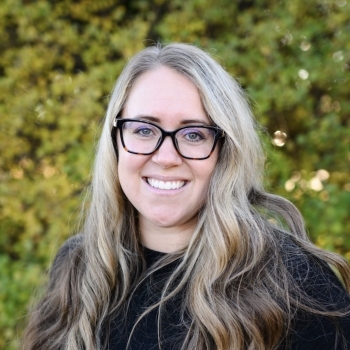
Kelsy Achtenberg (she/her)
Director & Teacher
The Innovation School
in Bismarck, North Dakota
Topics
We’ve all had the experience of truly purposeful, authentic learning and know how valuable it is. Educators are taking the best of what we know about learning, student support, effective instruction, and interpersonal skill-building to completely reimagine schools so that students experience that kind of purposeful learning all day, every day.
Failure isn’t the opposite of learning. Our schools need to help students use failure as an opportunity to become resilient, creative, and innovative lifelong learners.
Some of the best learning moments in our school begin with something not working. A 3D print collapses halfway through the night. A carefully designed business loses money at our student marketplace. A bridge built during STEM snaps under pressure. A presentation falls apart. A group project ends in frustration. A plan that seemed brilliant on paper suddenly doesn’t work in real life. This is usually where the real learning begins.
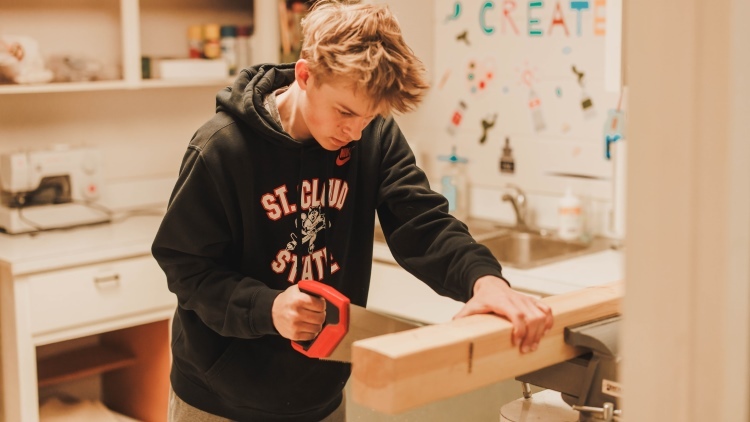
In many schools, students are taught to avoid failure at all costs. Success becomes tied to grades, percentages, rubrics, and getting the “right answer” the first time. Students quickly learn how to play it safe. They ask questions like “Is this what you want?” or “Did I do this right?” before they’ve even had time to think creatively or take risks.
Over time, many students begin to fear mistakes rather than learn from them. But outside of school, failure is unavoidable. Every entrepreneur, engineer, artist, scientist, inventor, and leader has failed repeatedly. Innovation depends on experimentation. Growth depends on discomfort. Confidence is built not by always succeeding, but by learning that you can recover when things don’t go according to plan.
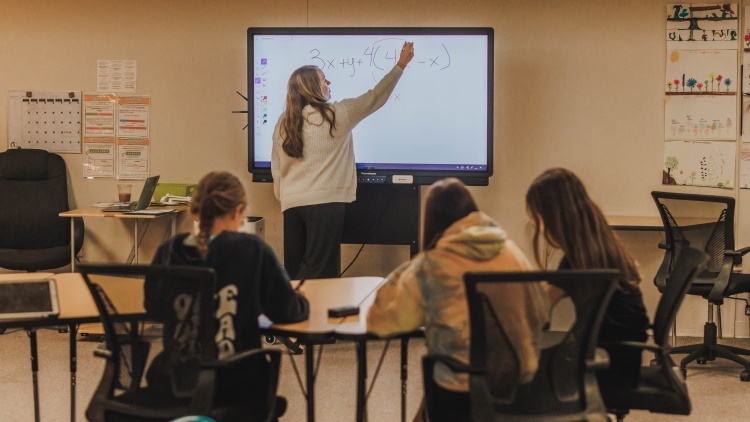
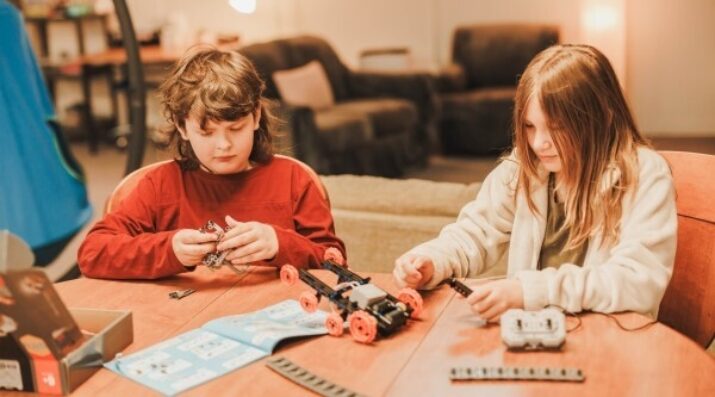
That’s one of the reasons project-based learning matters so much to me. Real projects create real problems. Unlike tests with predetermined answers, hands-on learning is unpredictable. Students have to adapt, troubleshoot, collaborate, revise, and try again. Sometimes they become frustrated. Sometimes their ideas flop. Sometimes they realize their first solution wasn’t actually the best one. And that’s good!
At our school, we often remind students that failure is feedback. It’s information. It tells us what worked, what didn’t, and what we might try next. Some of our students have spent years in traditional settings feeling defeated by mistakes. They’ve learned to associate struggle with being “bad at school.” But when they enter an environment where mistakes are normalized, something shifts. They start taking risks again. They try harder things, become more willing to ask questions, stop shutting down when something doesn’t immediately work, and they begin to understand that struggling through a challenge does not mean they are incapable—it means they are learning.
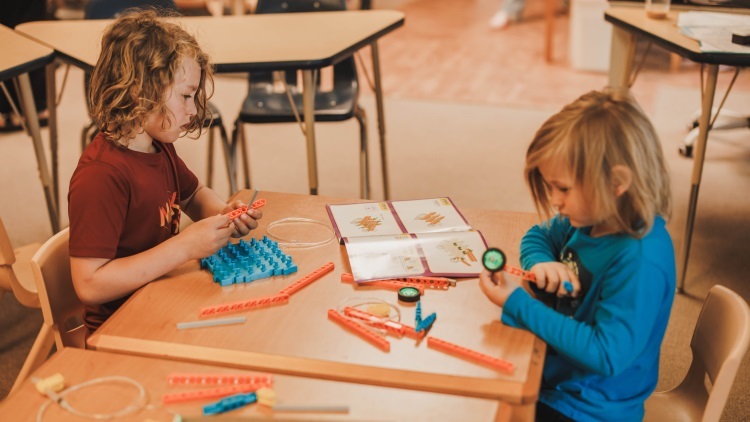
Ironically, students often become more confident once they realize failure isn’t catastrophic. True confidence doesn’t come from always getting everything right. It comes from believing, “Even if this goes wrong, I can figure out what to do next.” That kind of confidence matters far beyond school.
I also think educators need to model this mindset more openly. Adults often hide mistakes from students, as if expertise means never getting things wrong. But some of the most important moments in a classroom happen when teachers admit a lesson failed, a plan needs revision, or they don’t know an answer yet. Students don’t need adults who always get it right. They need adults who show them how to keep going when things go wrong.
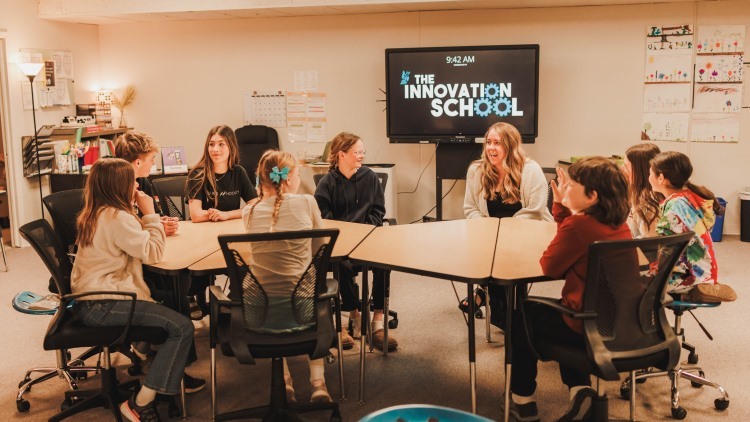
If we want students to become resilient, creative, and innovative adults, we have to create opportunities for productive struggle. That might mean more revision and reflection, open-ended projects, presentations, prototypes, experiments, and collaborative work. More environments where students can safely fail while the stakes are still low enough to learn from it.
Failure isn’t the opposite of learning. Very often, it’s the beginning of it. The students who will thrive in the future aren’t the ones who never fail. They’re the ones who know what to do next when they do.
Credit, all images: ily studios
Kelsy Achtenberg (she/her)
Director & Teacher, The Innovation School
Kelsy Achtenberg (she/her) is an educator and director at The Innovation School, a project-based K-8 school in Bismarck, North Dakota. With over 14 years of teaching experience across all grade levels, she is passionate about creating hands-on, meaningful learning experiences that help students build confidence, creativity, and critical thinking skills. Kelsy specializes in inquiry-based learning and innovative instruction, working to make education engaging and accessible for students who learn differently. She has been recognized through honors including the AIAA Trailblazing STEM Educator Award, the Bismarck-Mandan Chamber of Commerce 20 Under 40 Award, the ISTE+ASCD 20 to Watch Award, the Voya Unsung Hero Award, and serves as a senior contributor for the Education Entrepreneurship Lab, among other recognitions for innovation and leadership in education. Follow Kelsy on LinkedIn.