Rethinking Systemic Change, Teacher Learning, and Educator Wellbeing

Kathryn Kennedy (she/her/hers)
Founder
Consult4Ed Group
in Ithaca, New York
Topics

Next generation learning is all about everyone in the system—from students through teachers to policymakers—taking charge of their own learning, development, and work. That doesn’t happen by forcing change through mandates and compliance. It happens by creating the environment and the equity of opportunity for everyone in the system to do their best possible work.
Systemic change, personalized professional learning, and a reimagined approach to educator wellbeing are essential to building schools where both students and teachers can truly thrive.
Over the past two decades, I have had the privilege of working alongside educators, school leaders, researchers, and organizations that are deeply committed to creating meaningful learning experiences. Recently, I joined Dr. Michael Hallissy on the TeachNet Ireland Podcast to discuss three interconnected areas that continue to shape my work: systemic change, personalized learning, and educator wellbeing.
While these topics are often discussed separately, I believe they are fundamentally connected. If we want to create thriving schools and sustainable educational systems, we must consider how these pieces work together.
The Reality of Systemic Challenges
Education systems around the world are facing significant pressures. In the United States, many schools and districts are navigating funding uncertainty, staffing shortages, teacher retention challenges, increasing mental health concerns for both adults and youth, and growing demands placed on educators.
These challenges did not begin with the pandemic, but many were amplified by it. Educators were asked to adapt quickly, often without adequate support, while simultaneously responding to the needs of students, families, and communities facing unprecedented circumstances.
Today, many educators continue to experience initiative fatigue, where every year brings new programs, priorities, and expectations without removing existing responsibilities. School leaders are often stretched thin, covering classrooms, managing staffing shortages, and supporting increasingly complex student needs.
Despite these challenges, I continue to see remarkable examples of hope and innovation. Schools, districts, and educational organizations are finding creative ways to support learners and educators while staying focused on what matters most: relationships, learning, and community.
Personalized Learning Isn't Just for Students
When people hear the phrase "personalized learning," they often think about students. Increasingly, however, I believe, as many others do, that we need to apply the same principles to professional learning for educators.
Through recent research and evaluation projects, I have had the opportunity to speak with educators participating in personalized professional learning experiences. One theme emerged consistently: educators value having agency over their own learning as well as being recognized for and sharing what they know with their peers.
Instead of a one-size-fits-all workshop, educators were able to choose learning pathways aligned to their goals, interests, and professional needs. Many described these experiences as empowering and reinvigorating. For some, it helped restore a sense of purpose and professional identity that had been diminished by years of stress and uncertainty.
Educators are more than performance metrics, evaluations, or accountability measures. They are people who bring expertise, passion, creativity, and care to their work.
The traditional model of professional development often assumes that everyone needs the same information at the same time. Yet educators bring different expertise, experiences, responsibilities, strengths, and aspirations to their work.
If we truly view educators as professionals, we must trust them to help shape their own learning journeys. Some promising approaches include:
Modular and self-directed learning pathways
Mentorship and coaching opportunities
Professional inquiry communities
Peer-led learning experiences
Unconferences and collaborative learning events
Flexible professional learning models that allow educators to choose what is most relevant to them
When educators have voice and choice in their professional learning, engagement increases and learning becomes more meaningful.
Reframing Educator Wellbeing
One of the most important shifts I believe education needs to make is how we think about educator wellbeing.
Too often, wellbeing is framed as an individual responsibility. Educators are encouraged to practice self-care, improve time management, or develop resilience strategies. While these practices can certainly be valuable, they do not address the underlying causes of educator stress and burnout.
When an entire workforce is struggling, we need to ask system-level questions.
What conditions are contributing to educator overwhelm?
What expectations can be reduced or removed?
How can schools create cultures that support sustainable professional practice?
Educator wellbeing is not simply about helping individuals cope better. It is about creating systems where people can thrive. Across schools and districts, I am encouraged by efforts to:
Reduce unnecessary initiatives and competing priorities
Create reflective spaces for educators
Foster cultures of care and belonging
Expand mentorship and coaching opportunities
Provide leadership pathways for educators
Strengthen professional learning communities
Build structures that support collaboration and connection
These approaches recognize that wellbeing is both personal and collective.
The goal is not simply to become more efficient. The goal is to create learning environments where students and educators can flourish.
The Human Side of Innovation
As conversations about artificial intelligence and emerging technologies continue to accelerate, many educators are understandably asking what role these tools should play in schools.
I believe technology can support efficiency and help educators reclaim time. However, technology cannot replace the human relationships that sit at the heart of teaching and learning.
The most meaningful aspects of education, including trust, belonging, connection, empathy, mentorship, and community, remain deeply human endeavors.
Technology may support the work, but it cannot replace the people doing it.
This is why conversations about innovation must always include conversations about humanity. The goal is not simply to become more efficient. The goal is to create learning environments where students and educators can flourish.
Investing in the Educators We Have
One of the most important takeaways from my conversation with Michael was a simple but powerful idea: we must invest in the educators who are already in our schools.
Recruiting new educators is important, but so is supporting the talented professionals who are currently serving students every day.
That means trusting educators as professionals.
It means providing meaningful opportunities for learning and growth.
It means creating cultures where people feel valued, supported, and connected.
And it means recognizing that educators are more than performance metrics, evaluations, or accountability measures. They are people who bring expertise, passion, creativity, and care to their work.
When we invest in educators, we invest in students, schools, and communities.
The future of education depends not only on new innovations or new policies, but on our ability to create systems where educators can thrive and where the human side of learning remains at the center of everything we do.
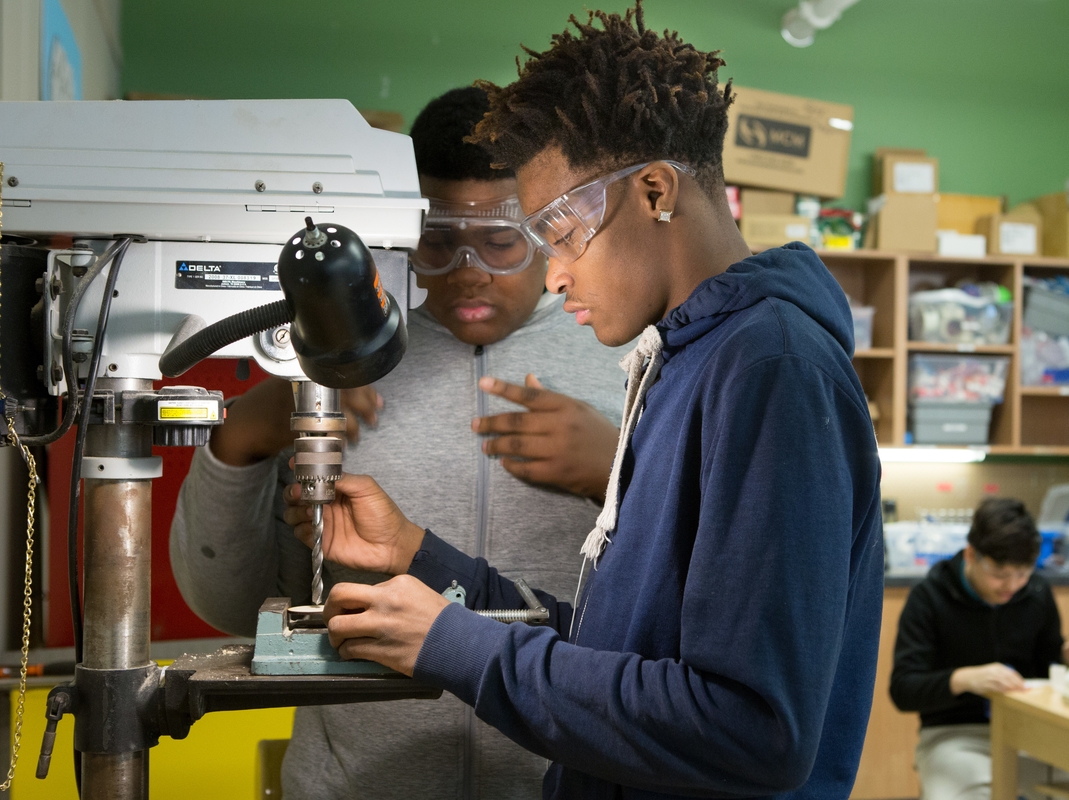
Credit, photo at top: Allison Shelley for EDUimages, CC BY-NC 4.0.
Kathryn Kennedy (she/her/hers)
Founder, Consult4Ed Group
Dr. Kathryn Kennedy (she/her/hers) is an educator and researcher. She is founder of Consult4ED Group, Wellness for Educators, Embodied Change, and the EDU Café Podcast.